Senior UX Leader & Strategist

I design for the person carrying the weight — and hold the vision through every handoff.

I lead UX teams that build for the full arc — not just the welcome, but every stage through to the moment a person returns, recommends, and brings someone else with them.

Scroll
UX StrategyDesign LeadershipAI-Driven DesignEnterprise Design SystemsStoryboardingProduct VisionHuman-AI CollaborationService DesignDesign OpsTeam Multiplier UX StrategyDesign LeadershipAI-Driven DesignEnterprise Design SystemsStoryboardingProduct VisionHuman-AI CollaborationService DesignDesign OpsTeam Multiplier
01 — Strategy

Strategy begins where the brief ends — with the question the brief never asks: what is this person actually carrying?

I connect business objectives to that weight. The KPIs follow from closing the gap between what the business needs and what the person needs. When both are clear, the path between them is the strategy.

01

What is worth doing?

Before the workshop, before the feature list, I write the weight sentence — the specific weight of a specific human at a specific moment. It becomes the acceptance criterion for everything that follows.

ValueExpectationsFeasibilityCompetition
02

What solution are we creating?

As facilitator, I ensure everyone is aligned before any work begins — feature set, functionality, and the why. Consensus isn't optional; I'm accountable for the end result.

FeatureContentPlatform
03

What user value will it provide?

I gain empathy by understanding responsibilities, needs, and desires — then map those pain points to business strategy to create valuable, motivating outcomes.

RolePain-pointsDesiresValue
0
Value unlocked beyond the original brief ($K)
0
Cross-functional workshop voices
0
Phases of the experience arc — first touch to advocacy
02 — Design Process

Six stages. The first three get the question right. The last three keep us from losing the answer.

Process is not a sequence of steps. It is a series of decisions made before the user arrives — and a discipline for catching the ones that drift after they do.

01

Sit with the Weight

Observe. Name the human moment.

I begin where the user begins — not with their job title, but with what they're carrying the moment they open what we made. What is this person carrying while they try to use what we are about to build? That sentence becomes the acceptance criterion for everything that follows.

02

Ask the Real Question

Define the problem underneath the brief.

The brief in hand is rarely the real one. I run a Clarity Sprint — fifteen focused minutes against three questions: Who is the specific person? What moment are they in? What's the one thing that must be true if everything else fails?

03

Map the Leverage

Separate what we were asked to build from what the project controls.

The brief is the 100K. The 600K is what this project actually controls if the vision holds all the way through. My job is to make the 600K visible before the first sprint begins — so the team builds toward it, not just at it.

04

Build the Feeling

Prototype for emotional fidelity, not just functional fidelity.

A prototype is how a vision becomes felt before it becomes built. The test is not does it work — it's does the person feel more capable holding it. The room can argue with words; it cannot argue with what it has already felt.

05

Catch the Drift

Test, validate, and run the weekly review.

Drift arrives as small, reasonable decisions that compound until the product points where nobody chose. I run the EAR every week — Edge, Vision, Loop, Arc, Exit. Thirty minutes that prevent eighteen months of drift.

06

Own the Exit

Refine, ship, and stay in the room.

The handoff to engineering is where the work gets tested by gravity. I stay through implementation review, design QA, and the first weeks after launch. The ship date is a milestone. The return is the metric.

03 — Featured Projects

Discover how I transform ideas into impactful digital experiences.
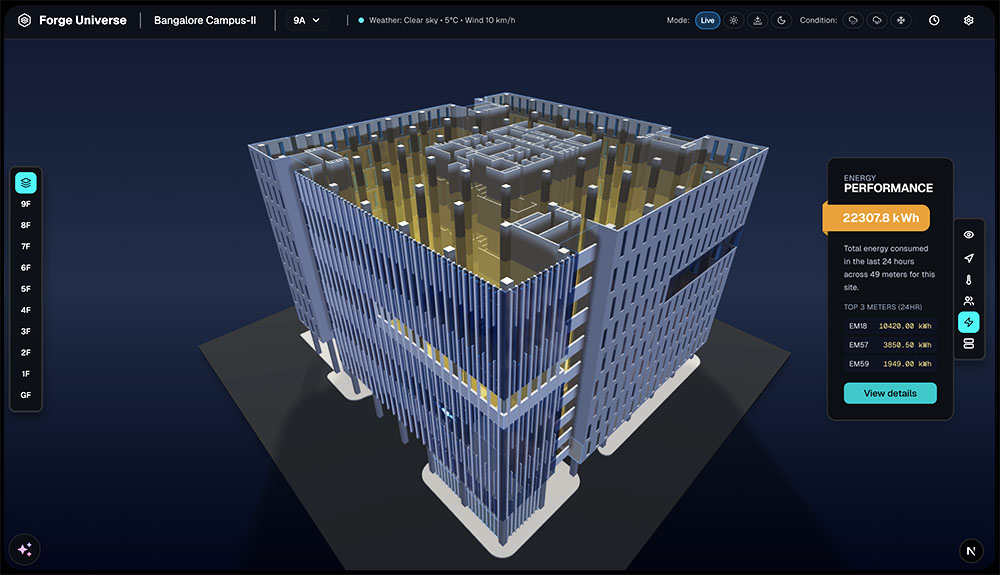
Autonomous Digital Twin

Autonomous — Digital Twin

The building operator at 2am, alone with eight systems reporting, needs to know in one glance whether she can go back to sleep. The Digital Twin replaces the abstract dashboard with a spatial, living picture — natural-language questions, real-time visualization, what-if simulation. She doesn't read the building anymore. She walks through it.

View Project
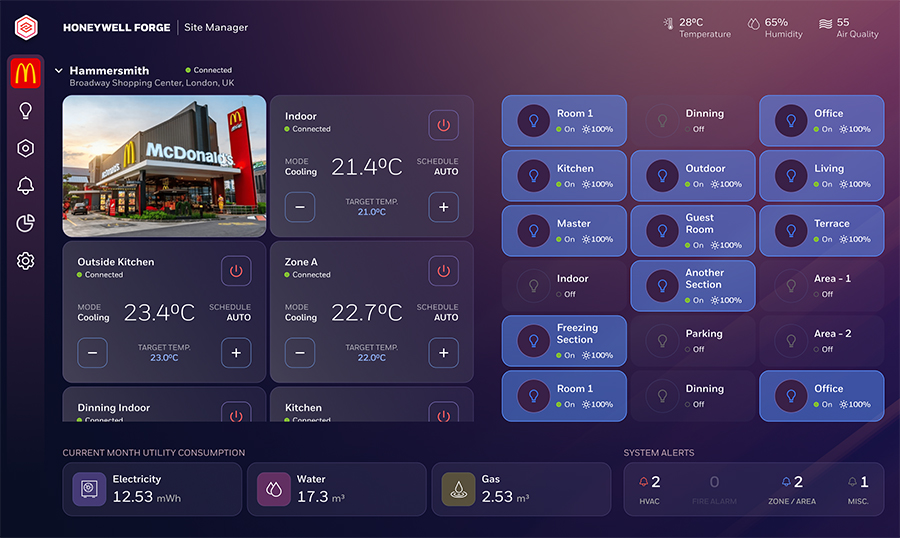
HMI Site Manager

HMI — Site Manager

The site operator walks in at 6am with a list in their head — AHUs to start, RTUs to schedule, lights for the floor that opens at 7. Site Manager strips the interface to the act itself: turn it on, turn it off, configure the page to match the building you actually run.

View Project
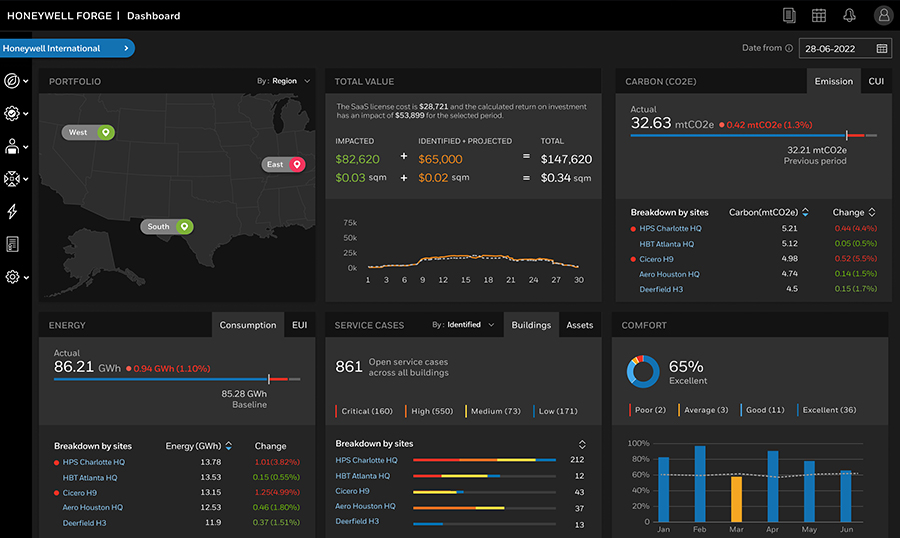
ROI Dashboard

Web — ROI Dashboard

The executive who signed off on the $100K is going into a quarterly review where someone will ask whether it was worth it. The ROI Dashboard turns operational telemetry into a story they can carry into the room — identified, realized, lost, and projected savings, separated cleanly enough to defend each number.

View Project
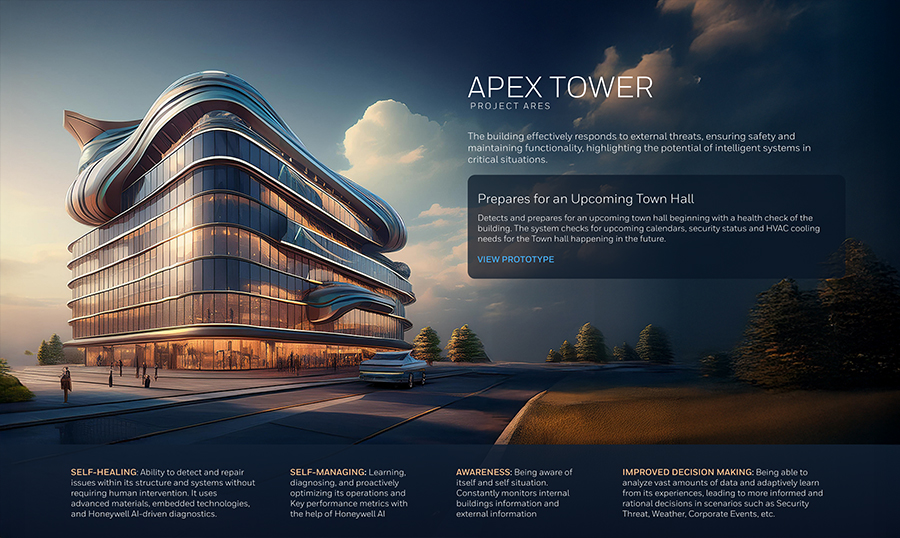
Sentient Building

Web — Sentient Building

A building used to be a thing that broke, and breaking meant a call to someone. The Sentient Building reverses that — it notices its own faults, decides which it can fix, and surfaces the rest to the right person first. Owner, operator, technician — each receives only what they can act on.

View Project
Connected Buildings

Web — Connected Buildings

A customer with thirty sites cannot read thirty dashboards. The portfolio view answers one question across all of them: where is value being identified, lost, realized, and projected — across Energy, Asset Lifecycle, and Operations? The morning that used to be spent assembling that picture now opens on a single screen.

View Project
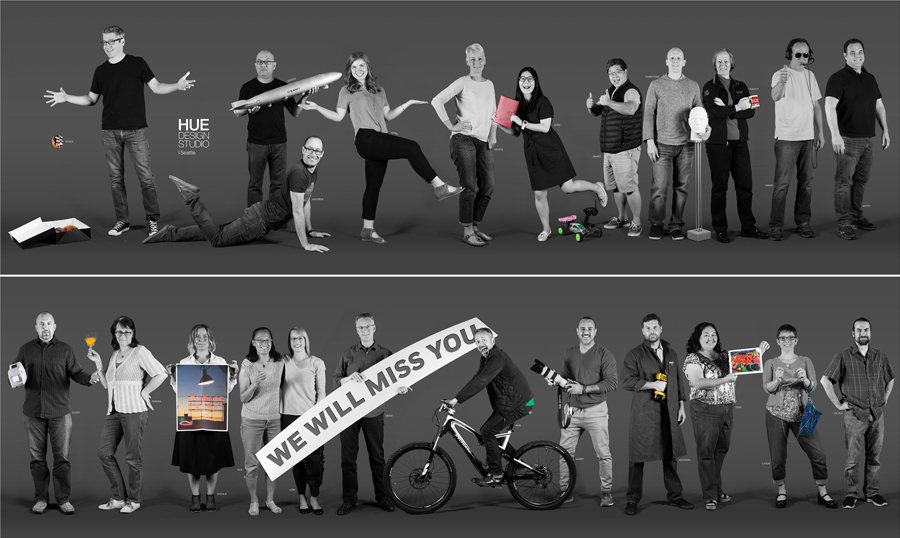
Farewell Gift

Farewell Gift

After 27 years, John Bandringa was leaving — and a corporate goodbye would have missed him entirely. So we asked the team a different question: what is the moment with John you carry with you? The answers became something only the people who worked with him could have made. Not a product — a record of what they carried together.

View Project
04 — Author

Beyond the screen, I write — books about what people carry, and what no machine can feel for them.

A philosophy of designing for the human on the other side of the work. The life that taught me to see them — a boy from the slums of Delhi, following his father's colors all the way to the horizon. And a forthcoming field guide to the practice behind every WOW.

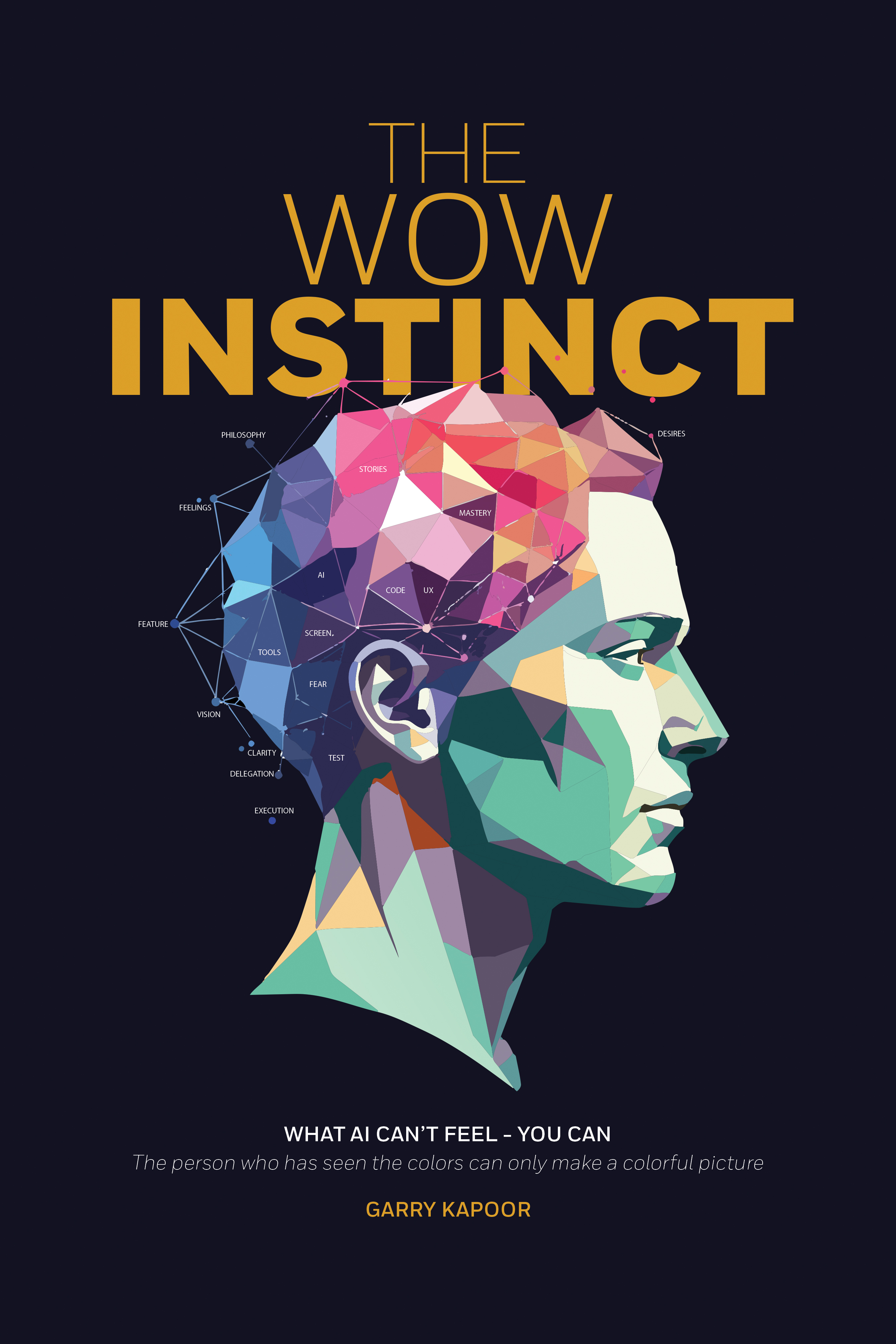
The WOW Instinct — book cover

The WOW Instinct

What AI Can't Feel and You Can

The part of us that knows something is true before we can explain why. It cannot be manufactured. It cannot be prompted. It can only be earned. Seven parts move from the fear that AI will replace you, through the philosophy that equips you — Vision, Clarity, Delegation — to the tools that let you act on Monday morning.

"The person who has seen the colors can only make a colorful picture."

Design & LeadershipFirst Edition · 20267 Parts
Order on Amazon
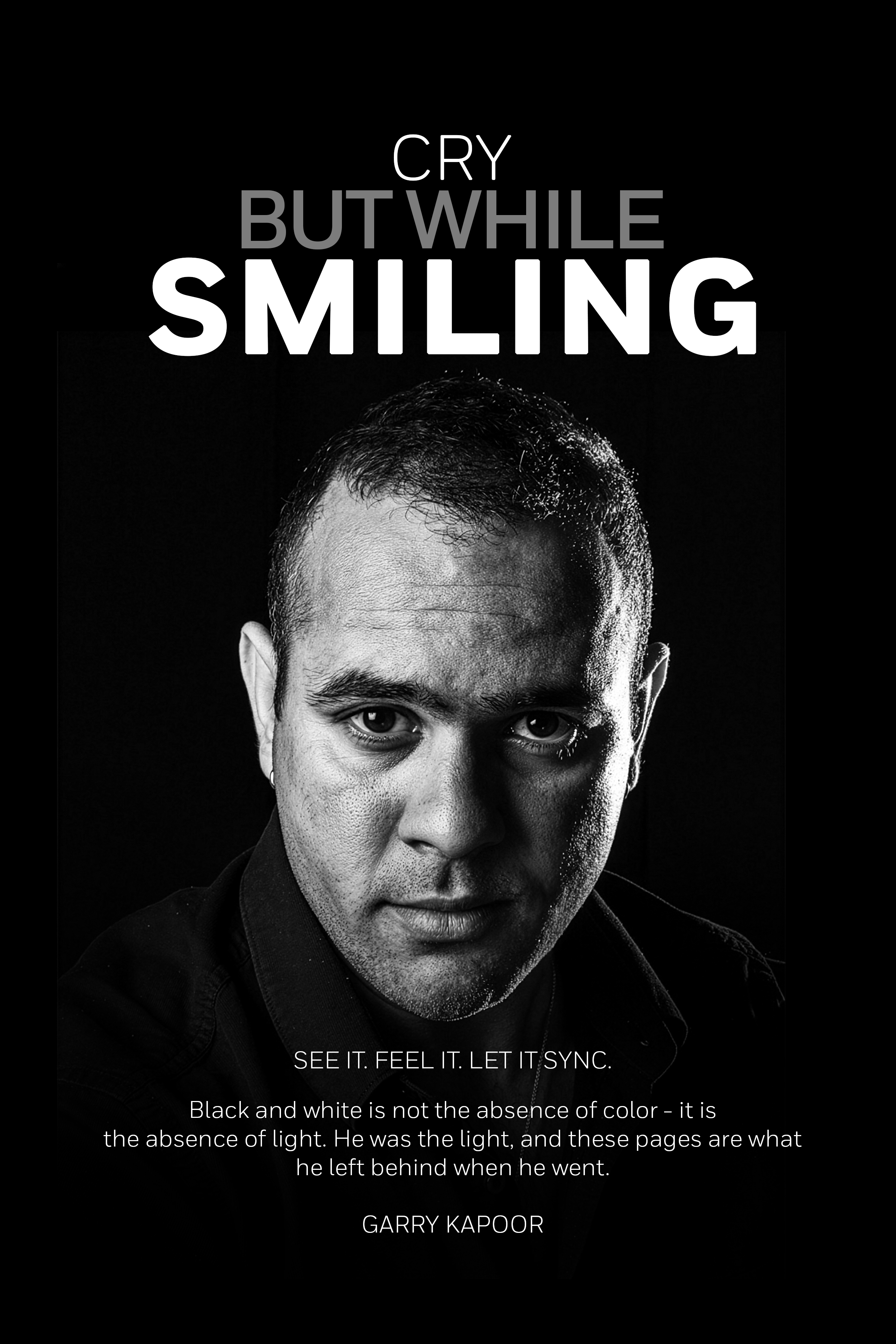
Cry But While Smiling — book cover

Cry But While Smiling

Grief and joy, in the same breath

Not smiling despite crying — smiling while the crying is still happening. A man past 45, still carrying his father's colors: the slums of Delhi, a chandelier in a Gurudwara at 2am, a ball that jumped when he pressed the spacebar, and the table he always dreamed of setting.

"Black and white is not the absence of color — it is the absence of light. He was the light, and these pages are what he left behind when he went."

MemoirFirst Edition · 2026Thirteen Weights
Order on Amazon
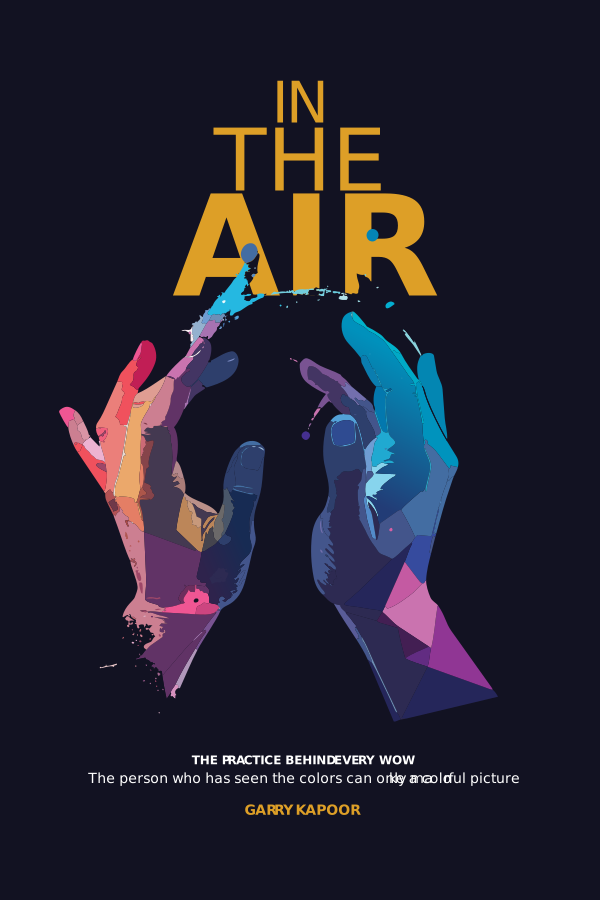
In the Air — book cover
Upcoming · 2026

In the Air

The Practice Behind Every WOW

A man sat at a desk with no computer in 1996 and typed on a keyboard that did not exist — A, S, D, F, Space — building muscle memory for a machine he could not yet afford. The WOW is not made in the moment. It is made in the air. The follow-up to The WOW Instinct, this is a field guide to Human-AI creative practice for design leaders — five parts that teach your hands where to go.

"Your hands are already in the air. This book teaches them where to go."

Human-AI PracticeComing 20265 Parts
Notify Me on Release

In today's world

The differentiator between applications is no longer their features but the experience that the applications provide.

Senior UX Leader & Strategist